Search for “handwriting practice” and you will find a thousand tracing worksheets: dotted letters, dashed shapes, grey lines waiting for a crayon. They are cheap, printable and easy to hand over while you make dinner. But do they actually teach a child to write?
The short answer is: sometimes, and it depends entirely on how they are used. This guide explains what tracing does and does not do, when it is the right tool, when it works against you, and how to use a printable so it builds a skill rather than a habit of going through the motions.

What tracing is good for
Tracing has real strengths, which is why it has stuck around.
It shows the child what the finished form looks like and lets them feel the path of the stroke without having to plan it. For a child who has never made a letter before, that scaffolding lowers the difficulty enough to get started.
It builds visual-motor control. Keeping the crayon on a dotted line is practice in guiding the hand with the eyes, which is a foundation of legible writing. It also builds stamina for holding a pencil and sitting at a task.
And it gives a clear, concrete goal. Children like finishing a page. Motivation is not nothing.
Where tracing falls short
Tracing has three weaknesses, and they matter.
First, tracing does not teach starting points or stroke direction unless something else does. A child can trace a letter b from the bottom up, in two disconnected pieces, and produce a perfect-looking result. The worksheet cannot tell. What the child has practiced is a movement that will fall apart the moment the dots disappear.
Second, tracing tends to become mindless. After the third row, most children are no longer looking at the letter. They are following dots. The brain checks out, and repetition without attention does not build skill.
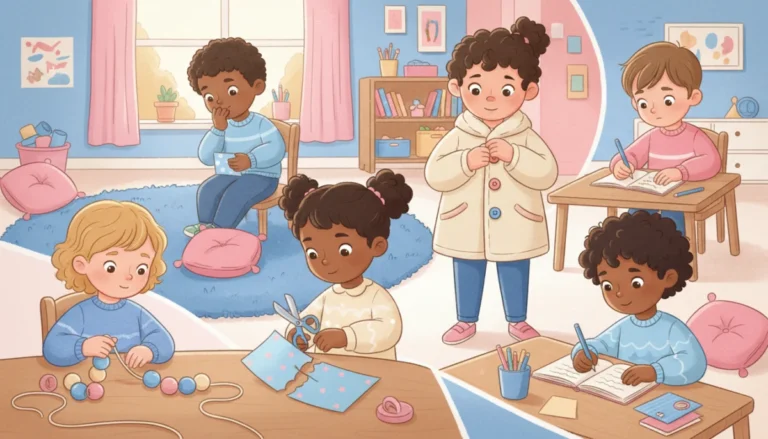
Third, tracing often arrives before the child is ready. A three-year-old handed a worksheet of dotted lowercase letters is being asked to do something their hand and eyes cannot yet manage. The result is frustration or a scribble, and the child learns that writing is a chore. Our guide to handwriting readiness signs explains what to look for first.
The right sequence: readiness, shapes, then letters
Tracing works best when it follows a natural order.
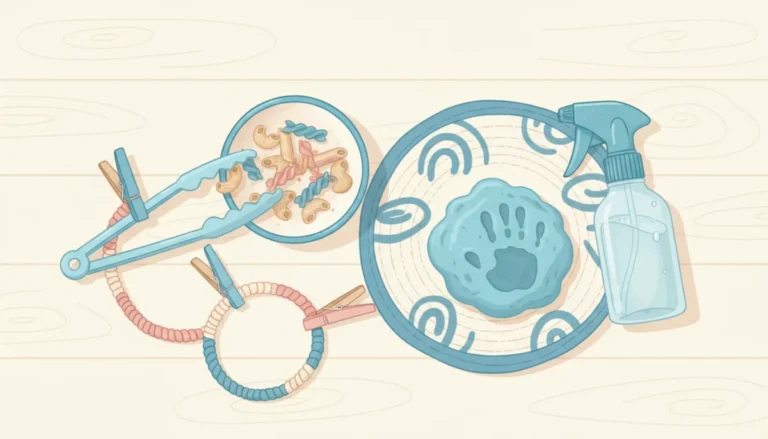
- First, fine motor readiness through play: play dough, cutting, threading, building. Our fine motor activities at home list is a good place to start.
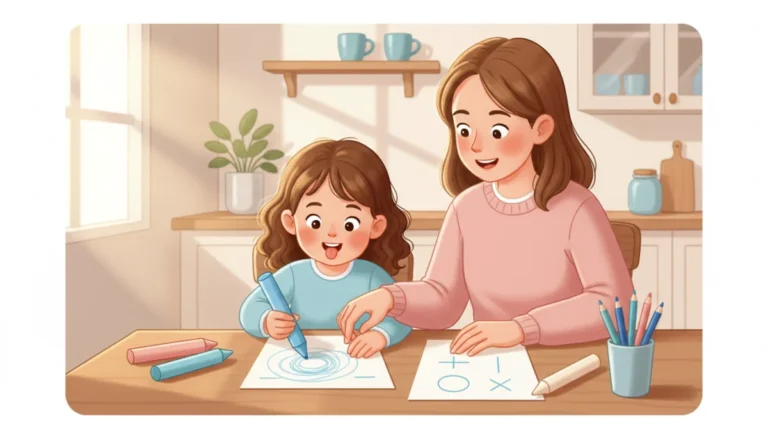
- Then, pre-writing shapes: lines, circles, crosses, squares, diagonals. Tracing large shapes and paths is a good use of a worksheet at this stage.
- Then, letters, but with a stroke sequence and a verbal cue, not just dots.
Tracing letters before shapes is the most common mistake. If a child cannot yet draw a circle or a diagonal on their own, they are not ready to trace the letters made from them.
How to use a tracing worksheet well
Here is how to turn a printable from busywork into practice.
Go big first
Before the worksheet, form the same shape or letter large: in the air, on a whiteboard, on a steamy mirror, in a tray of salt. Big movements build the motor pattern. The worksheet then refines it.
Show the starting point
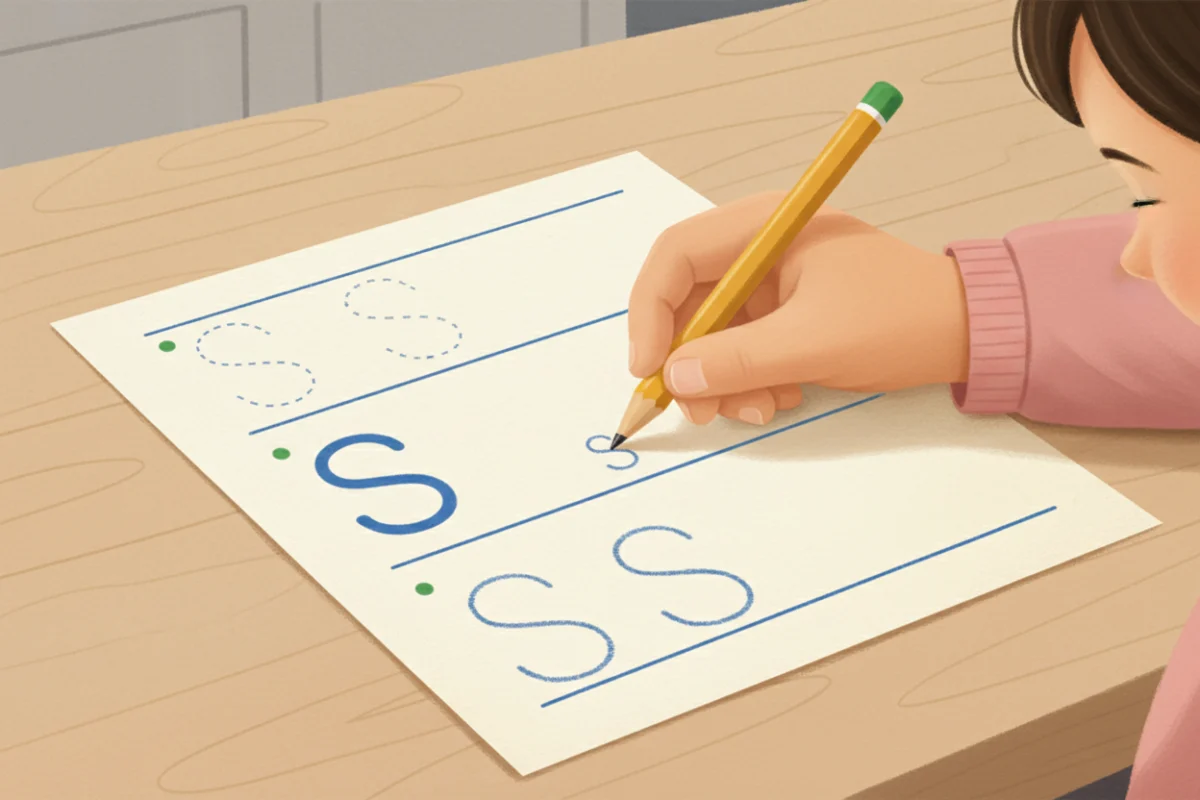
Put a small dot or a green sticker where the stroke begins. Say where to start every time. For letters, use a simple cue you repeat consistently, like “start at the top, big line down.” If your child’s teacher uses particular cues, borrow those.
Keep it short
One row, done well, beats a whole page done badly. Stop before attention fades. A worksheet is a two-minute activity, not a twenty-minute one.
Trace, then copy, then write
The point of tracing is to get rid of it. After tracing a letter once or twice, have your child copy it next to the model with no dots, then write it with the model covered. That progression, trace to copy to recall, is where the learning happens.
Use the right tool
A fat crayon or a short pencil suits a preschooler better than a full-length pencil. For a child who is still developing their grasp, our guide to helping your child hold a pencil has simple fixes.
Make it mean something
Trace the letters of your child’s name, the first letter of a favorite animal, the word on a birthday card. Meaning keeps attention on the letter instead of the dots.
A sample ten-minute session
Here is what a good session with a tracing worksheet looks like at home. Spend the first two minutes on the hands: squeeze play dough, tear a strip of paper into pieces, or do ten finger-to-thumb taps. Spend the next two minutes making the target letter large, in the air and on a whiteboard or steamy window, saying the cue each time. Then sit down with the worksheet and trace the letter two or three times, starting from the green dot, saying the cue out loud. Cover the dots and copy the letter twice next to the model. Finally, cover everything and write it once from memory. Finish with something fun that uses the letter: find it on a cereal box, stamp it in play dough, or write the first letter of a pet’s name.
That is ten minutes, and it includes maybe six actual letters. It is far more effective than filling three rows of dots.
What to look for in a good worksheet
If you are choosing or buying printables, look for large letters with plenty of space, a clear starting dot and arrows showing stroke direction, only one or two letters per page for young children, and room to copy without dots. Avoid pages that crowd twenty dotted letters into rows or that mix uppercase and lowercase before a child has learned either.
Signs a worksheet is backfiring
- Your child rushes through the dots without looking at the shape.
- The letters are formed from the bottom or in fragments.
- Your child complains, avoids the task or melts down.
- Tracing looks fine but the child cannot form the letter without the dots.
- The child is pressing so hard they tear the paper, or so lightly you cannot see the line.
If you see these, step back to larger, more playful practice and return to worksheets later.
Good alternatives to tracing
If tracing is not working, or you want variety, try these. They build the same skills with more engagement.
- Rainbow writing: write the letter large, then have your child go over it in three or four colors.
- Highlighter letters: write the letter in yellow highlighter and have your child write over it in pencil. It is tracing without dots, so the child sees the whole shape.
- Dot-to-dot pictures: they train the same eye-hand control as tracing and children usually love them.
- Mazes and paths: staying on a path is line control practice in disguise.
- Finger tracing: a printed letter under a sheet of plastic, traced with a finger dipped in paint, or on a textured surface like sandpaper.
Frequently asked questions
Are tracing worksheets bad for kids?
No, but they are easy to use badly. Used briefly, after readiness, with attention to starting points and stroke direction, they help. Used as long, mindless busywork before a child is ready, they do not.
What age should a child start tracing letters?
Most children are ready to trace letters around age four to five, after they can draw basic shapes like circles, crosses and squares on their own. Tracing shapes and paths can begin earlier.
How many tracing worksheets a day?
One short page, or even a single row, is plenty. Quality of attention matters far more than quantity.
Should my child trace with a pencil or a crayon?
For preschoolers, a chunky crayon or short pencil is easier to control. Move to a regular pencil as the grasp matures.