Fine Motor Skills Checklist by Age (3 to 8): What to Expect and How to Help
A parent-friendly fine motor skills checklist for ages 3 to 8: what most children can do with their hands at each age, what it means for handwriting, and simple ways...
Practical guides to handwriting and fine motor development for children aged 3 to 8: pre-writing strokes, pencil grasp, letter formation, scissor skills, coloring and everyday activities that build the hands for writing. Written for teachers and parents, with clear age expectations and simple fixes you can use tomorrow.
A parent-friendly fine motor skills checklist for ages 3 to 8: what most children can do with their hands at each age, what it means for handwriting, and simple ways...
A step-by-step guide to teaching a preschooler to write their name: when to start, which case to use, how to practice without worksheets, and what to do when it goes...
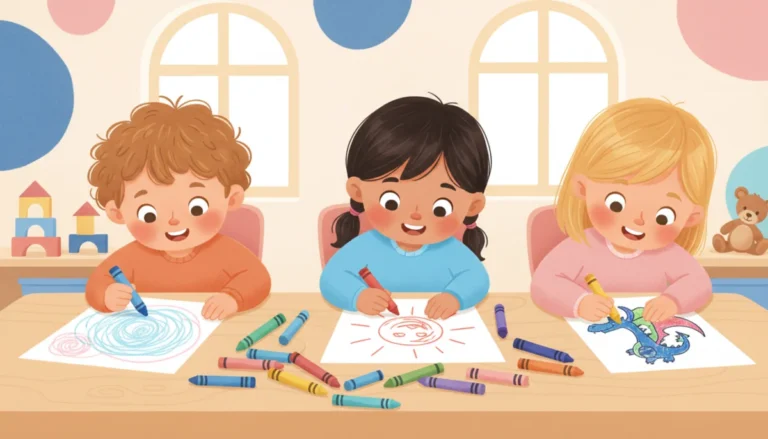
How coloring develops from scribbles to staying inside the lines, what to expect at ages 3, 4, 5 and 6, why coloring builds handwriting, and when messy coloring is worth...
What crossing the midline means, why it matters for handwriting and hand dominance, signs your child is avoiding it, and ten easy games to practice at home.
Tracing worksheets can help or hurt handwriting depending on how you use them. A parent-friendly guide to when tracing works, when it backfires, and how to make the most of...
Ready-to-use five-minute handwriting warm-ups for pre-K, kindergarten and first grade: shoulder and hand exercises, finger games, stroke drills and how to build them into a routine.
Some children press so hard the pencil snaps; others write so faintly you cannot read it. Here is what drives pencil pressure problems and the classroom fixes that help.
Letter reversals like b/d and p/q are normal until about age 7. Here is why they happen, what actually helps in the classroom, and the common fixes that backfire.
Should you teach uppercase or lowercase letters first? A practical look at what research and occupational therapists suggest, and how to sequence letter instruction in pre-K and kindergarten.
A stage-by-stage guide to teaching scissor skills in preschool and kindergarten: what to expect at each age, how to hold the scissors, and simple cutting activities that build handwriting readiness.
Why is your child's handwriting messy? The most common causes in first and second grade, a simple home check, targeted fixes, and signs you should get help.
Practical help for left-handed writers: paper position, pencil grip, seating, letter formation, and the right tools, for parents and teachers alike.