For parents
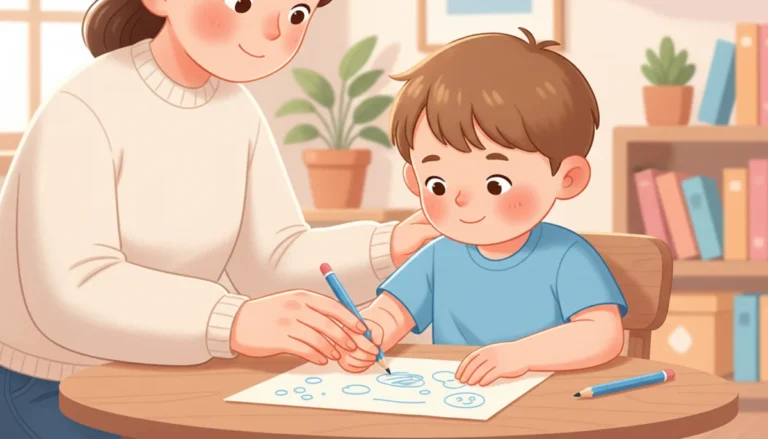
How to Help Your Child Hold a Pencil Correctly (Without Tears)
Gentle, practical ways to teach your child a comfortable pencil grip: what is normal at each age, easy tricks that work, and when to ask for advice.
7 min readRead more →
Practical guides to handwriting and fine motor development for children aged 3 to 8: pre-writing strokes, pencil grasp, letter formation, scissor skills, coloring and everyday activities that build the hands for writing. Written for teachers and parents, with clear age expectations and simple fixes you can use tomorrow.
Gentle, practical ways to teach your child a comfortable pencil grip: what is normal at each age, easy tricks that work, and when to ask for advice.
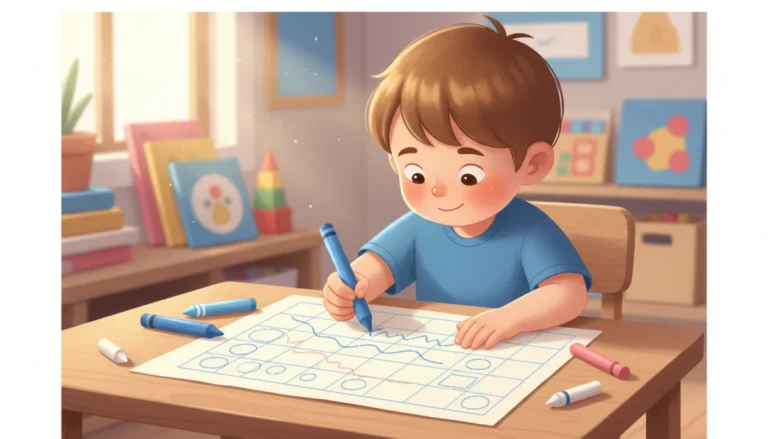
Fifteen easy fine motor activities for ages 3 to 6 using everyday household items. Build the hand strength and control your child needs for writing.
Not sure if your child is ready to start writing? Here are the signs of handwriting readiness by age, what to do while you wait, and when to ask for...
A practical guide to teaching letter formation in pre-K to first grade: which letters to teach first, verbal cues that stick, and mistakes to catch early.
Twelve low-prep fine motor centers for pre-K and kindergarten, each matched to the handwriting skill it builds, with setup, rotation, and management tips.
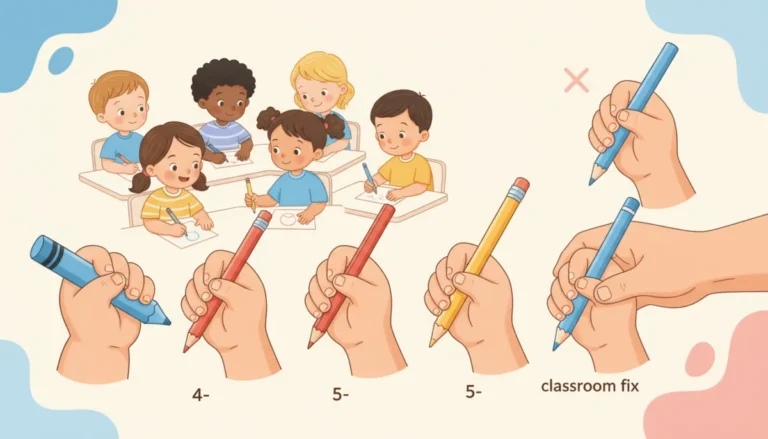
The stages of pencil grasp development from ages 1 to 6, which grasps are functional, the red flags to watch for, and easy classroom fixes that work.
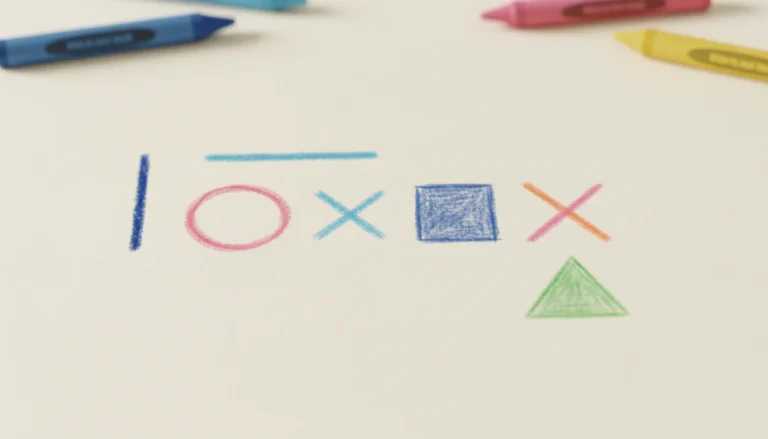
The 9 pre-writing strokes, the order children learn them, and the ages to expect each one, plus classroom activities to teach every line and shape.
Graphomotor skills are the building blocks of handwriting. Learn what they include, how they develop from ages 3 to 7, and how to support them in class.