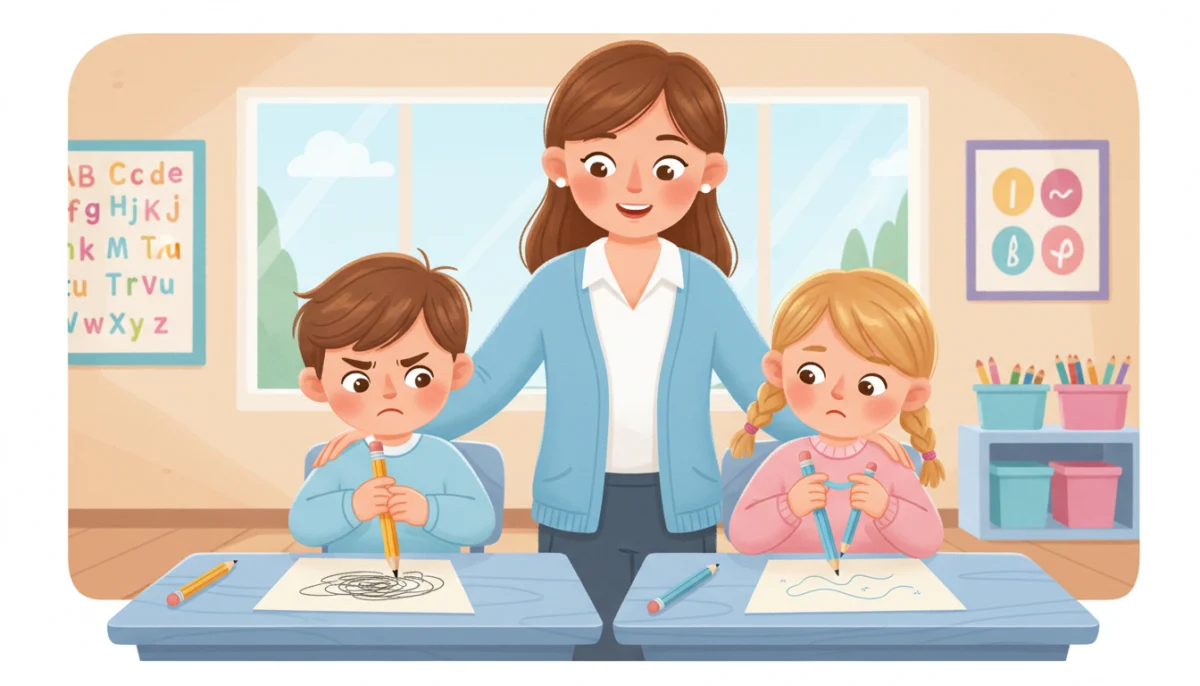
Every class has one child who snaps pencil tips like twigs and leaves dents on the page two sheets down. Most classes also have a child whose writing is so faint you have to tilt the paper to the window to read it. Both are pencil pressure problems, and both are usually treated the same way: “press softer” or “press harder.” Neither instruction works for long, because pressure is not something a young child can simply decide to change.
This guide explains what drives pencil pressure, how to tell the two problems apart from their look-alikes, and what to do in a classroom of twenty-five without a therapist on hand.
What pencil pressure actually is
Pressure is the amount of force the fingertips transfer through the pencil to the page. It depends on the strength of the hand, on how well the child senses that force (called proprioception), on the grasp, and on the position of the arm and body. Change any one of these and the pressure changes with it.
That is why telling a child to press softer rarely helps. The child who presses hard is usually not choosing to. They press hard because that is the only way they can feel where the pencil is. The child who presses lightly often cannot generate more force, or cannot hold the pencil steadily enough to apply it.
Both problems sit on top of the foundations described in our guide to graphomotor skills. Fix the foundations and the pressure tends to sort itself out.
Pressing too hard
What it looks like
- Broken tips, torn paper, deep grooves visible from the back of the page.
- Dark, heavy lines that cannot be erased cleanly.
- A tight, often fisted or thumb-wrapped grasp.
- White knuckles, a stiff wrist, sometimes the tongue out or the shoulders up.
- Complaints of a tired or sore hand after a few minutes.
Why it happens
The most common cause is poor proprioception. The child does not get clear feedback about where their fingers are, so they press harder to create it. Low muscle tone can also drive heavy pressure, because the child locks the joints to compensate for weak stability. A tight grasp that emerged as a work-around for weak fingers keeps the pressure high. Anxiety and perfectionism add tension on top.
Fixes that work
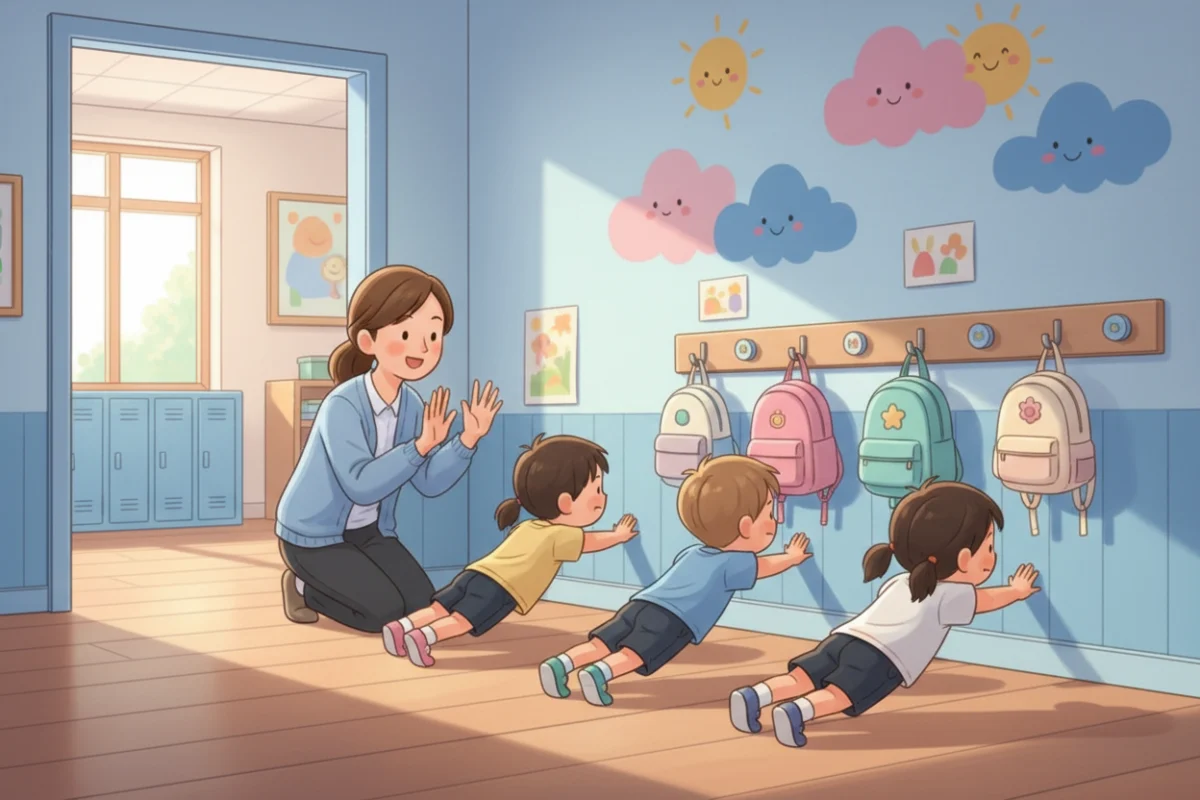
- Give heavy work before writing. Wall push-ups, chair push-ups, carrying a stack of books to the office or squeezing a stress ball all give the proprioceptive input the child is seeking, so they do not need to get it from the pencil.
- Use a mechanical pencil. The lead snaps immediately under too much force, which gives instant, non-judgmental feedback. Many children learn to lighten up within days.
- Write on a soft surface. Put a sheet of foam or a magazine under the paper. Heavy pressure tears the paper, and the child adjusts.
- Try a soft-lead pencil or a felt-tip. Both make a dark line with little force, so the child does not need to press to see their work.
- Address the grasp. A tight grasp keeps the pressure high. Our guide to pencil grasp development covers the fixes.
- Do not lengthen writing tasks for this child. Short bursts with breaks reduce the fatigue that makes the pressure worse.
Pressing too lightly
What it looks like
- Faint, ghostly lines that are hard to read, especially in pencil.
- Wobbly, shaky strokes and inconsistent letter size.
- A loose grasp, sometimes with the pencil sliding around in the fingers.
- Fatigue, slouching, resting the head on the arm while writing.
- Better results with markers than with pencils.
Why it happens
Light pressure is most often about weakness or low tone. The child cannot generate or sustain enough force through the fingertips. A very immature grasp, where the pencil is not stabilized by the fingers, also produces faint lines because force leaks away. Some children with poor proprioception press lightly rather than heavily, because they are not aware that their marks are faint.
Fixes that work
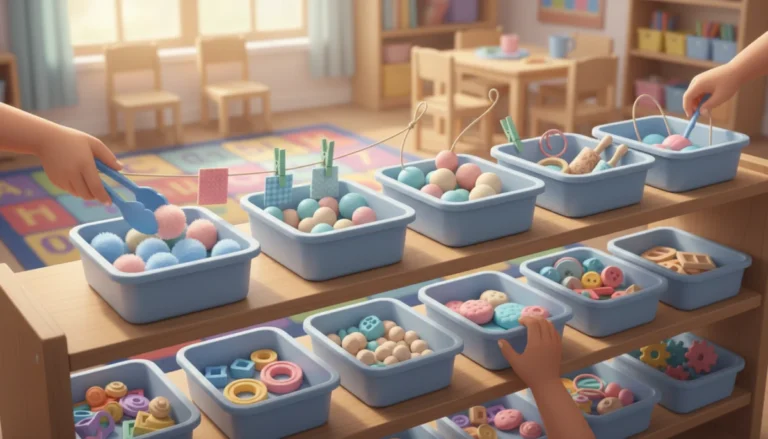
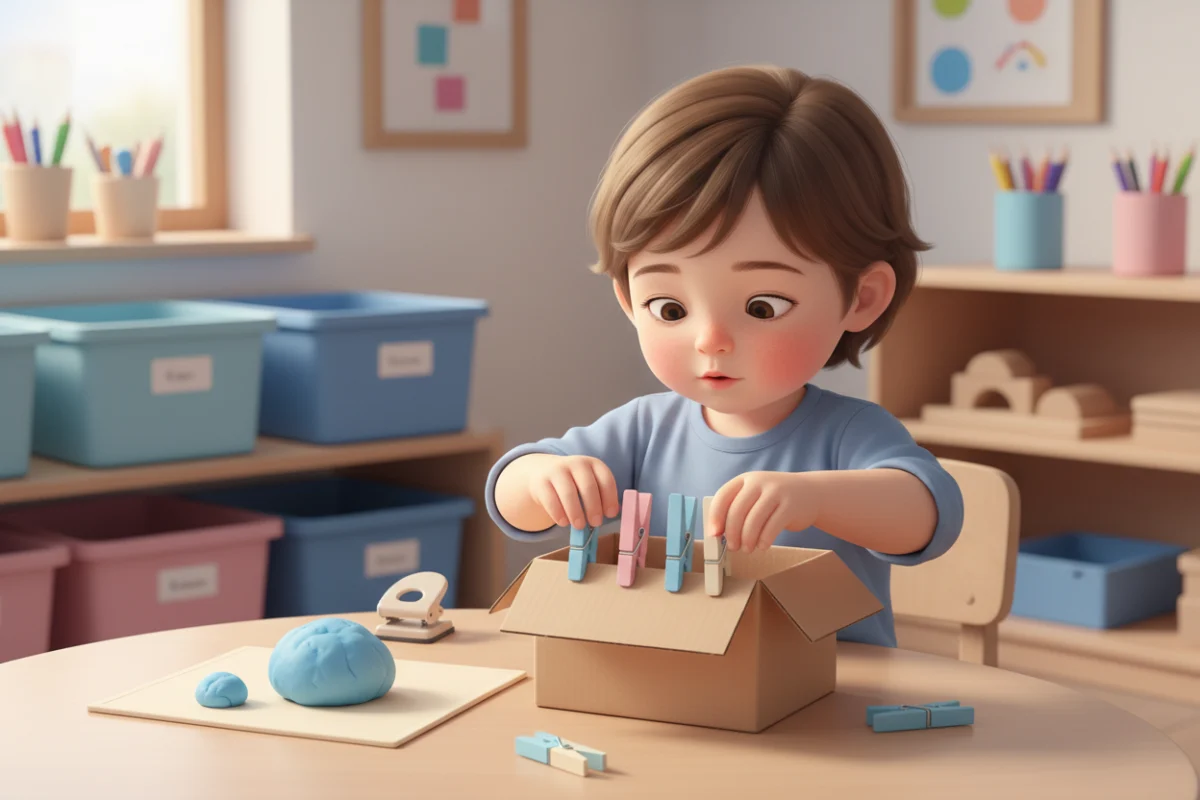
- Build hand strength. Play dough, clothespins, hole punches, squeeze toys and tearing paper all belong in the routine. Our list of fine motor centers has more.
- Use a darker pencil. A 2B or softer pencil gives a legible line with less force. A pen or thin marker can be a reasonable interim tool.
- Try a weighted pencil or a pencil grip that adds bulk. Extra weight increases feedback and often increases pressure automatically.
- Check the seating. A child whose feet dangle and whose elbows are above the desk cannot stabilize the arm. Feet flat, hips back, forearms on the desk.
- Try carbon-copy tricks. Put a sheet of carbon paper or a second sheet under the page and challenge the child to make the mark show through. It turns pressure into a game.
- Work on a vertical surface for warm-ups. Writing on an easel or whiteboard strengthens the wrist and shoulder, which supports pressure later at the desk.
Look-alikes to rule out
Not every heavy or faint line is a pressure problem. Check these first.
A blunt or very hard pencil (an H grade) makes faint marks for everyone. Sharpen it, or switch to HB or softer. Cheap pencils with off-center leads break constantly regardless of pressure. Poor lighting produces faint-looking work. A child who is rushing may press hard out of speed, not tone. And a child copying from the board may press hard because they are craning to see, which stiffens the whole arm.
A simple classroom routine
You do not need to single out the child. Build a two-minute “hands ready” routine before writing time for the whole class: ten wall push-ups, ten finger squeezes, shake it out, then a few big shapes in the air. The heavy-pressure children get their input, the light-pressure children get their warm-up, and nobody is called out. Add a soft surface and a mechanical pencil for the heavy pressers, a darker pencil and a grip for the light ones, and review in a month.
When to refer
Refer to an occupational therapist if the pressure problem persists after a couple of months of these adjustments, if the child complains of pain, if there are other signs of low tone (W-sitting, slumping, difficulty with stairs or playground equipment), or if the problem is severe enough to make written work illegible or impossible to complete.
Frequently asked questions
Why does my student press so hard with a pencil?
Usually because they are not getting enough sensory feedback from their fingers and press harder to feel the pencil. Low muscle tone, a tight grasp and tension can also contribute.
How can I help a child who writes too lightly?
Build hand strength with squeezing and pinching activities, use a softer pencil, check the seating position and try a weighted pencil or bulky grip. A carbon-copy game gives instant feedback.
Is a mechanical pencil a good idea for heavy pressure?
Yes. The lead breaks under too much force, which teaches the child to lighten up without any correction from an adult.
Does pencil pressure affect grades?
Indirectly. Heavy pressure causes fatigue and slower writing, and light pressure makes work hard to read. Both can affect how much a child gets written down.